Sharjah Architecture Triennial
November 14, 2026 – April 14, 2027
South South Stone Soup
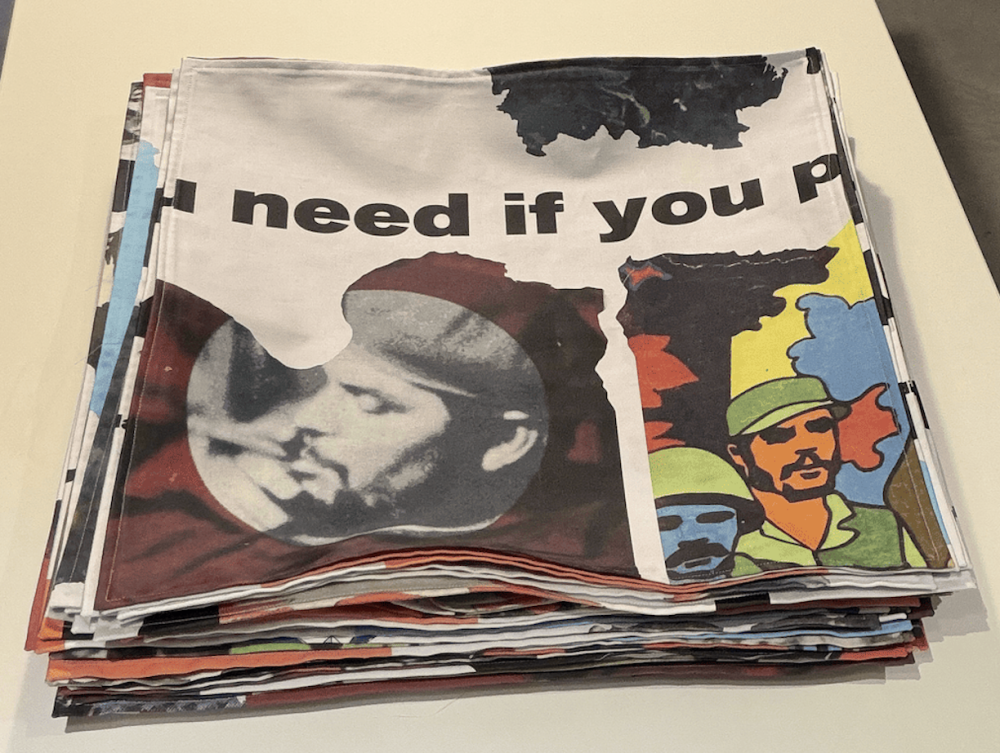
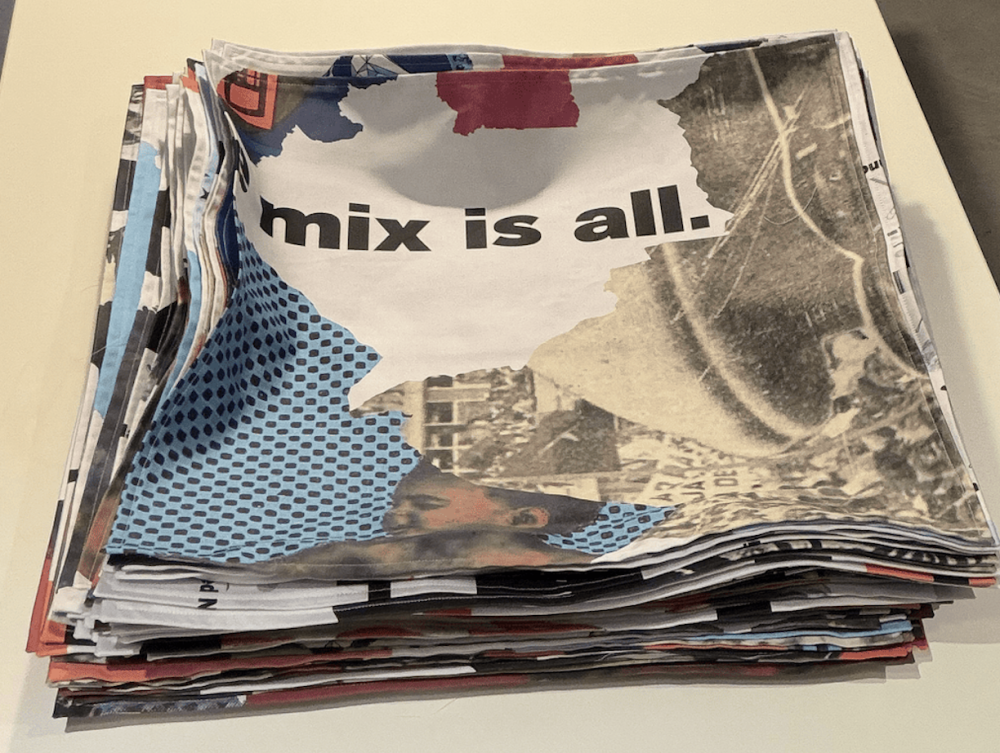
Stone soup is a fabled con game in which a stone is advertised as the means to a delicious broth if only a few garnishes are added. Everyone adds a spare scrap from their own meal until the pot is filled with something at once poached from and shared with all contributors.
The recipe models the powers of mutualism. Capital, often called “the economy,” in the singular, values accumulations of universal, modular financial units or geometrized plats of property. But, unlike capital, community economies generate multiple, overlapping exchanges (e.g. time, talent, food, care, or hospitality) embodying the differences essential to interdependence. One has something the other one is missing, and so they mix. Wealth results, not from accumulation and modularity, but from circulation and inconsistency. Even a circulation of needs redoubles resources—a circulation in which, as essayist Lewis Hyde has written, “property perishes.” Stiff monocultures of capital cannot compute the superabundant or incalculable value in these organizations that are alive.
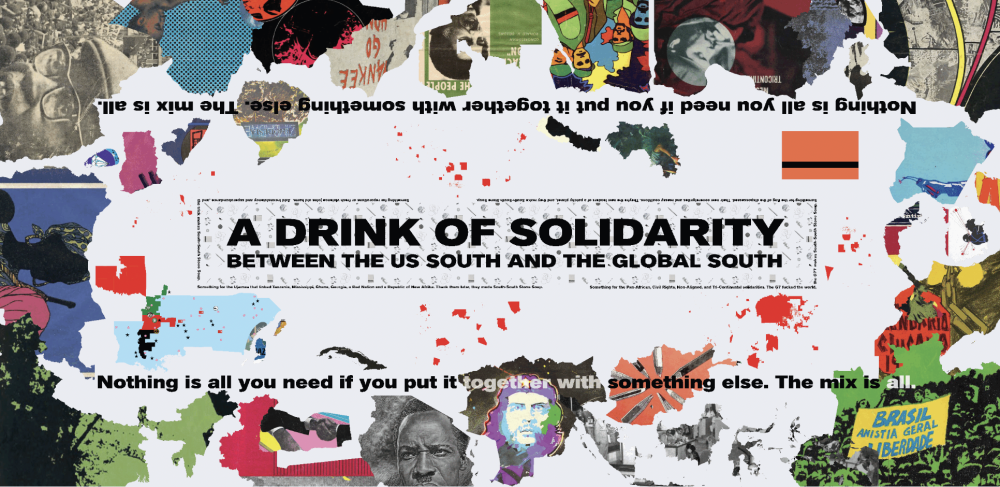
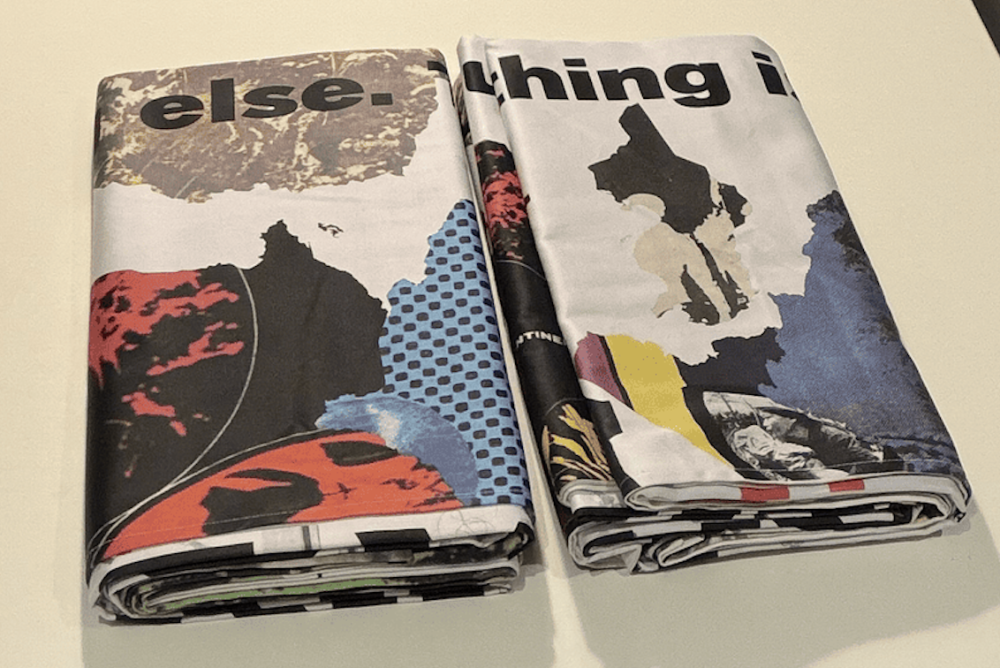
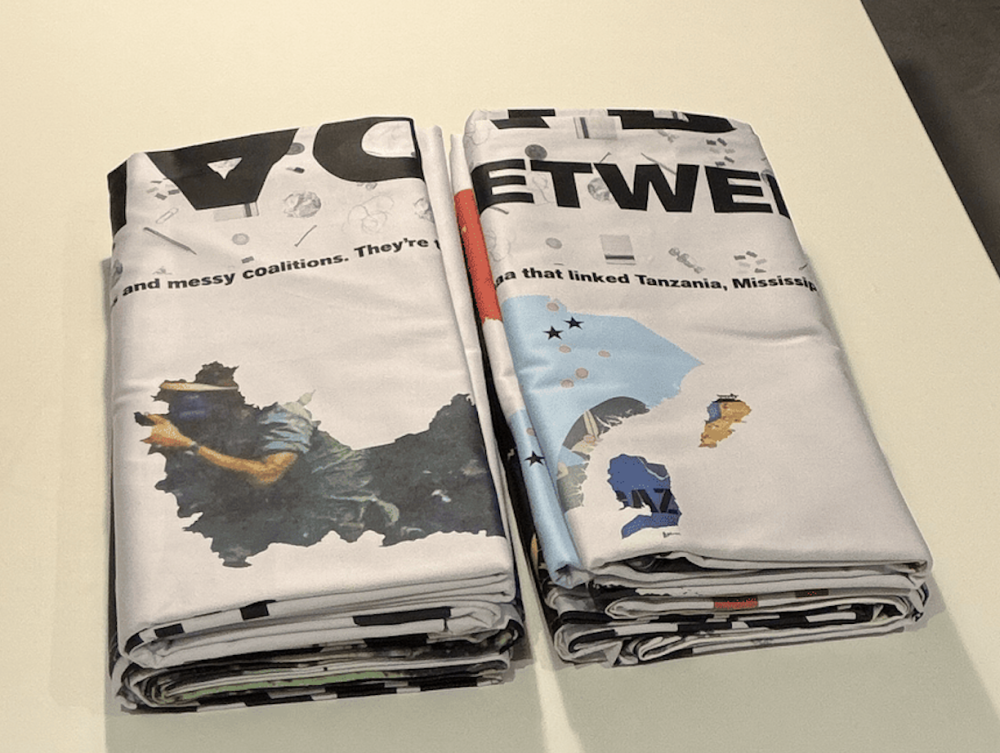
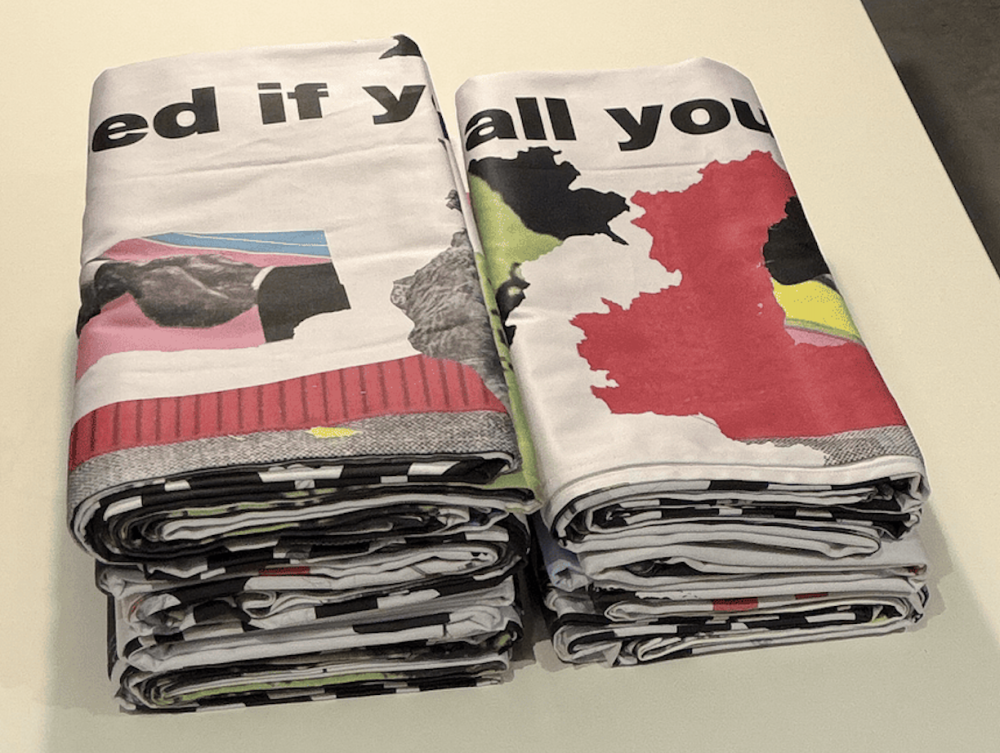
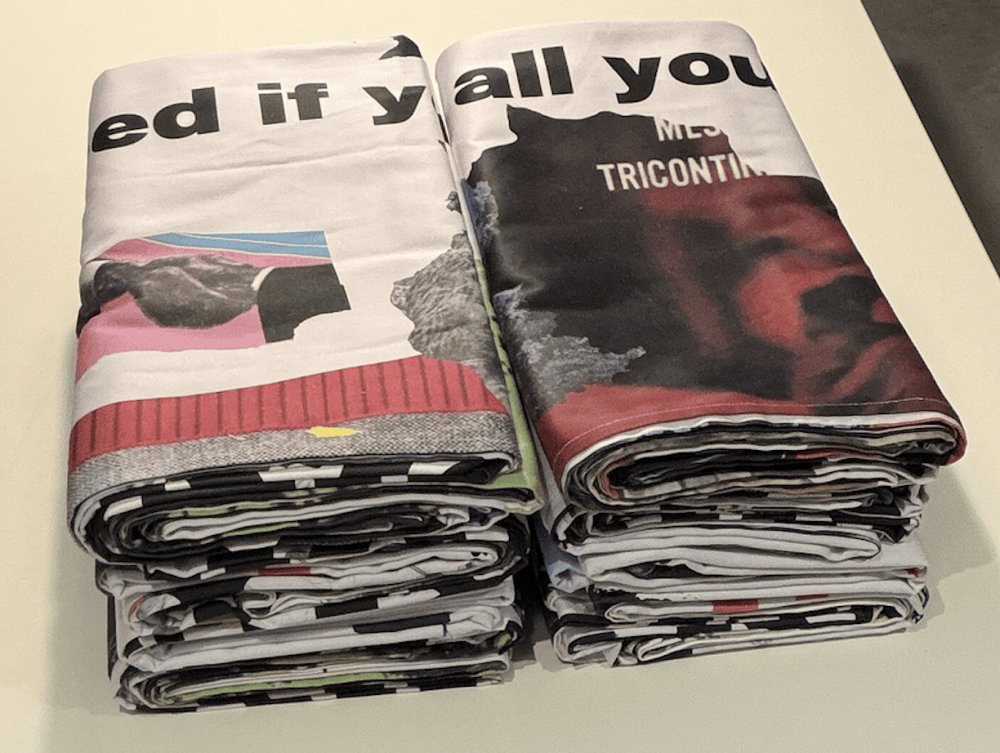
South South Stone Soup calls for mutualism in the making of reparations—incalculable value to address an incalculable debt. Floating together on the tablecloth are entities that have exercised what Adom Getachew has call worldmaking forms of activism to counter the last 500 years of colonizing, capitalizing and globalizing. Members of the Pan-African, Non-Aligned, Tri-Continental, and civil rights movements reunite with the Republic of New Afrika, the Red Nation and others to exercise special sovereignties and solidarities. Their work directly inspires contemporary global reparations and land back efforts.
Since victims of colonization will likely be the victims of climate violence and inequality, philosopher Olúfẹmi O. Táíwò also calls for worldmaking activism and argues that only reparations for root causes will interrupt patterns of harm. In the patchy pluriverse, land offers forms of both sustenance and lethality making a roar that often drowns out the tinny military pyrotechnics of customary geopolitical theaters. And solidarities may take the shape of a archipelagoes—at once locally under siege and diasporadically connected.
Visitors leave their loaves and fishes on the table during the course of the Triennial, the tablecloths are made available for events, a drink of solidarity is occasionally shared on them, and servers performing the cocktail conjure the special potentials of mutualism.
Project Team: Keller Easterling, Rebecca Mqamelo
Subtraction Games Lux: Projection on Beinecke Library by Lisa Albaugh and Samantha Jaff 
April 10, 2015
Beinecke Library, New Haven, Connecticut